
The Participatory Results Dissemination Workshop, which was held as part of the European projects Climate Resilient crETE and BioProWRAP under the CLIMAAX Horizon Europe programme, took place on Tuesday, March 31, 2026. The event was co-organized by the Region of Crete, the Region of Eastern Macedonia and Thrace, the Democritus University of Thrace, and the Municipality of Xanthi. The workshop was held in the Amphitheater of the Department of Civil Engineering at the Democritus University of Thrace in Xanthi, bringing together representatives of local government and the academic community with the aim of strengthening climate resilience and exchanging best practices.
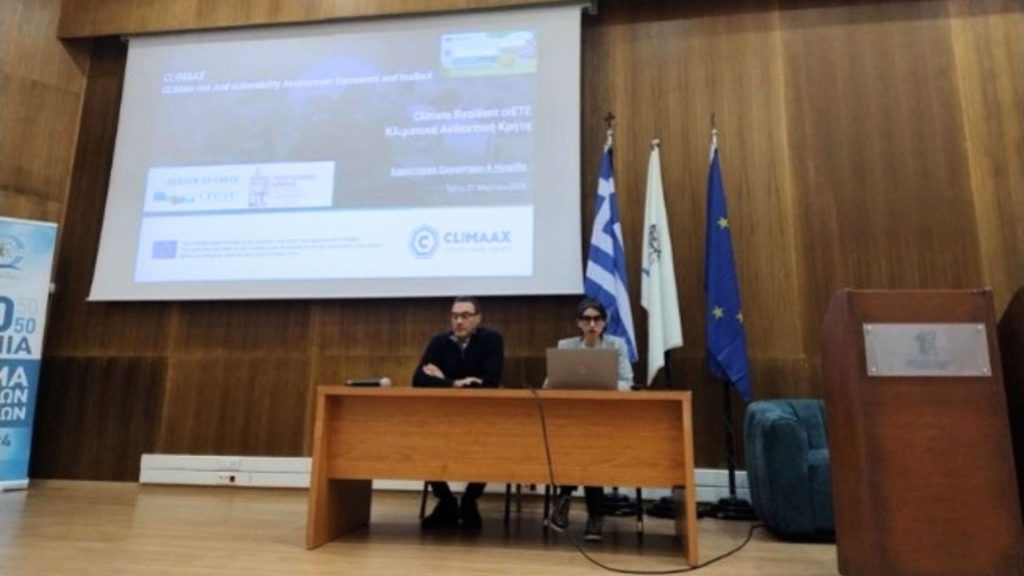
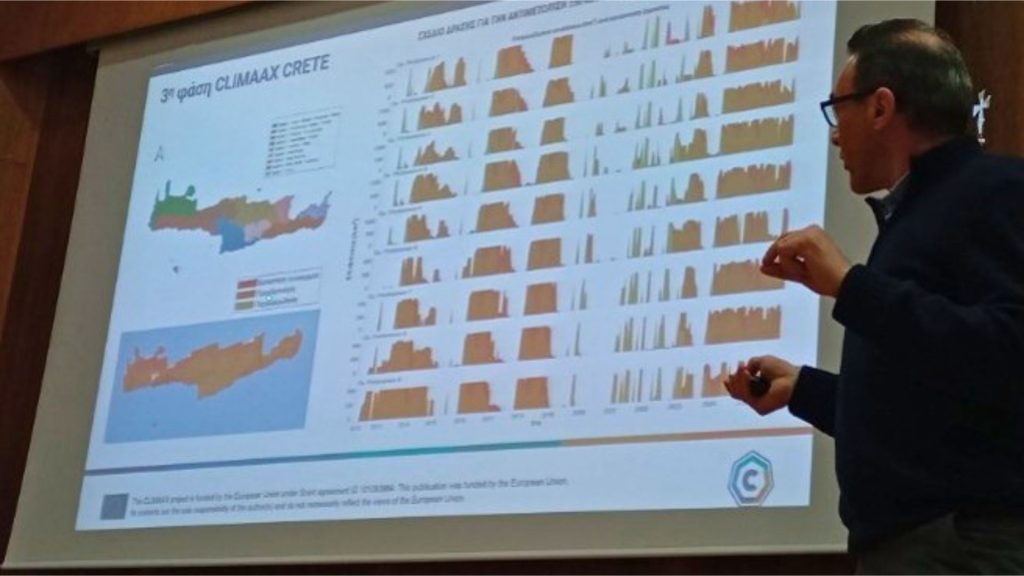
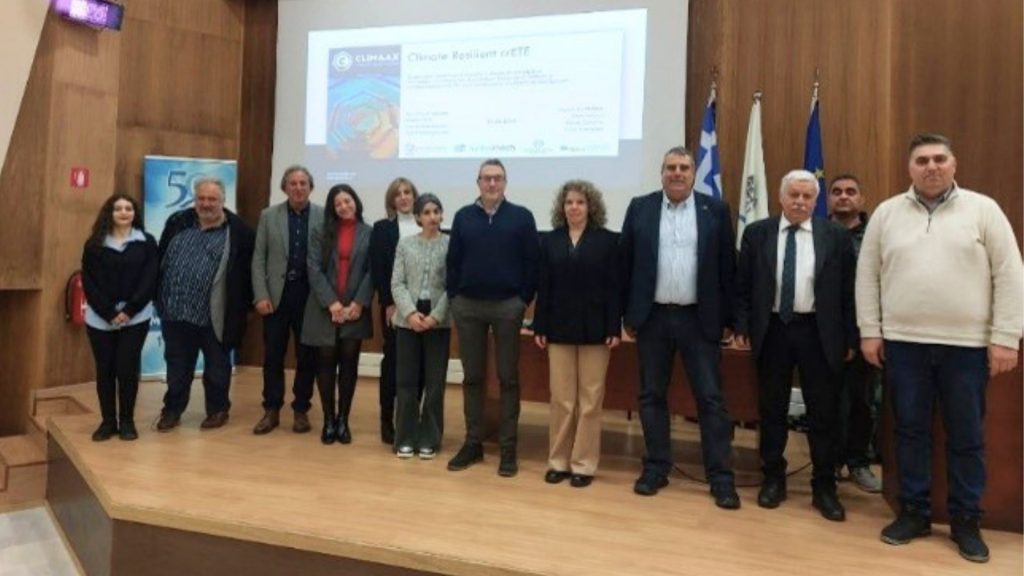
The event was honored by the presence of figures from both the local government and the academic community. The core objective of this interdisciplinary workshop was the presentation of results from initiatives implemented for the monitoring, assessment, and management of climate risks. At the same time, particular emphasis was placed on the dissemination of the research methodologies and specialized tools that were developed, with the aim of effectively fortifying and strengthening climate resilience in the selected implementation areas
Additionally, the event placed a particular emphasis on the enhancement of local governance and the promotion of strategies for adapting to climate change. Specifically, the workshop aimed to inform institutional stakeholders, the research community, and the general public about the projects’ findings, while simultaneously strengthening regional cooperation on climate resilience issues. At the same time, it served as a platform for the exchange of expertise and constructive dialogue on contemporary challenges, such as floods, prolonged droughts, extreme heat events, and natural disasters.
Following the conclusion of the workshop, an open discussion took place, wherein attendees offered insights and perspectives on practical actions and measures that can be implemented at the regional and local levels to mitigate climate change. The conclusions drawn from the consultation will serve as the cornerstone for the development of a joint roadmap for action, with the ultimate goal of creating resilient and sustainable local communities.