
For local governments, climate change often becomes visible long before it appears in statistics or reports. It arrives as a flooded road, a drying water source, a wildfire threatening nearby communities or an unexpected emergency that stretches local capacities.
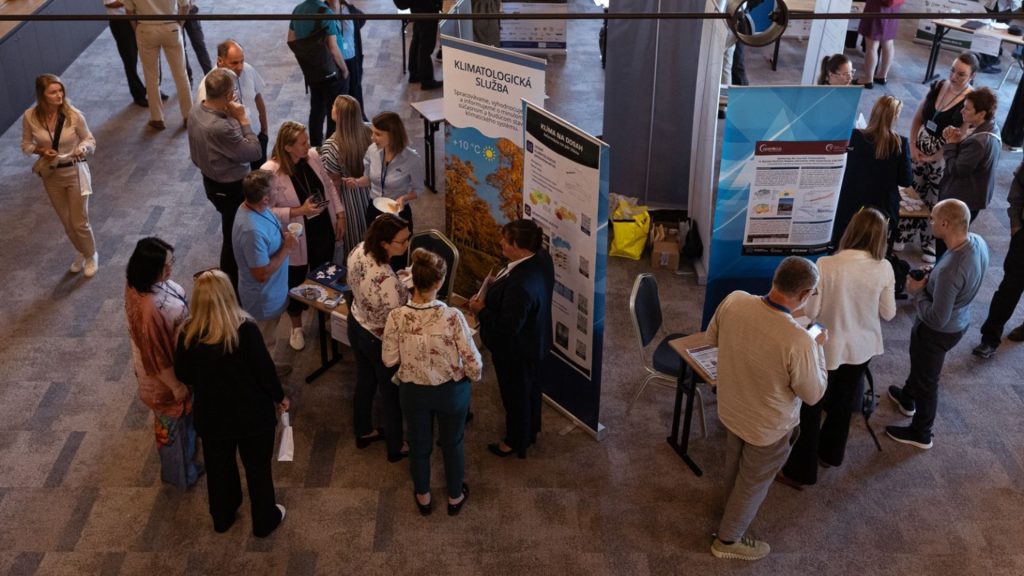
These practical realities were at the centre of the Regional Climate Forum organised by the Banská Bystrica Self-Governing Region (BBSK) on 28 May 2026 in Látky, Slovakia. The event forms part of BBSK’s broader work under the CLIMAAX project and the EU Mission on Adaptation to Climate Change.

Understanding Local Challenges
Ahead of the event, BBSK launched a survey among municipalities across the region. The results provide a useful snapshot of current challenges. Among the municipalities that have responded so far, 67% reported experiencing a serious weather-related event during the last ten years. At the same time, 64% indicated that they do not yet have a climate adaptation plan or a similar strategic document in place.
The findings suggest that awareness is not the main obstacle. Many municipalities already understand the risks they face. More commonly, they struggle with limited budgets, lack of specialised staff, administrative complexity and difficulties in accessing technical expertise.
Turning Data into Action
A central theme throughout the day was the question of how scientific knowledge and climate-risk information can become more useful for local decision-makers.
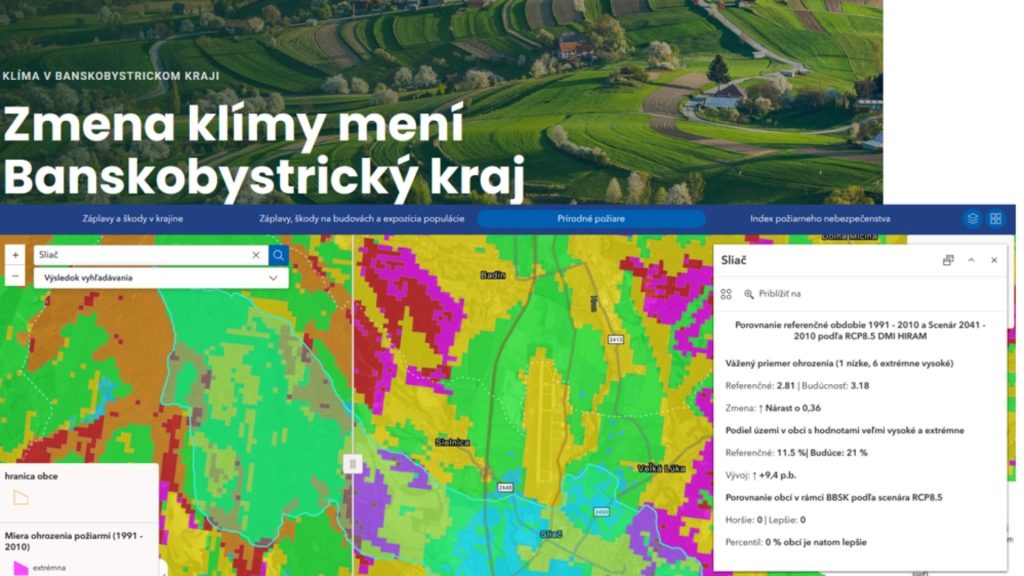
Participants explored future climate scenarios, drought monitoring systems, wildfire forecasting tools and regional risk assessments developed through CLIMAAX. BBSK also presented new online climate-risk maps and story maps available through its Climate HUB platform.
These tools are designed to help municipalities move beyond reacting to individual events and towards a more strategic understanding of where risks are likely to emerge and which communities may be most vulnerable.
As discussed during the forum, maps can help identify where risks may concentrate, but local actors provide the experience needed to understand what those risks actually mean in practice. Combining both perspectives creates a stronger basis for decision-making.
One of the strongest messages from the event was that resilience depends on more than data alone. Participants highlighted the importance of cooperation, local knowledge, preparedness, funding and clear responsibilities. When these elements come together, regions are better equipped not only to respond to climate risks but also to anticipate and reduce their impacts.
Beyond Emergency Response
The event also highlighted an important lesson from recent years: resilience is not only about responding effectively when a crisis occurs.
Presentations from fire and rescue services, volunteer firefighters, water-management authorities, forestry experts and environmental organisations showed that preparedness starts much earlier. Land-use planning, landscape management, ecosystem restoration, public engagement and preventive measures all contribute to reducing future impacts.
Several speakers shared practical examples ranging from nature-based water retention measures and river restoration projects to climate-adaptive forest management and participatory planning processes involving local communities.
A Shared Responsibility
Perhaps the most valuable outcome of the forum was the opportunity for people working in different sectors to exchange experiences directly. During interactive discussions on floods, droughts and wildfires, participants repeatedly returned to the same conclusion: resilience is built collectively.
Reliable data, clear governance structures, skilled people, adequate funding, technical capacity and effective cooperation all matter. Weakness in any one of these areas can limit the ability of communities to cope with climate-related challenges.
Looking Ahead
The Regional Climate Forum demonstrated that many of the building blocks for climate resilience are already present in the Banská Bystrica Region. The next step is to strengthen cooperation and ensure that climate-risk information is translated into practical support for municipalities and communities.